
Stay Updated: Georgia Landlord-Tenant Laws You Need to Know
Stay Updated: Georgia Landlord-Tenant Laws You Need to Know
Latest Georgia Landlord-Tenant Law Updates: Essential Information for Landlords and Tenants
In 2023, amendments to Georgia landlord‑tenant law changed key procedures and clarified rights and obligations for both landlords and tenants. This article summarizes the main updates, highlights tenant protections and landlord duties, and notes Savannah‑specific provisions landlords and tenants should know.
What Are the Key Tenant Rights in Georgia?
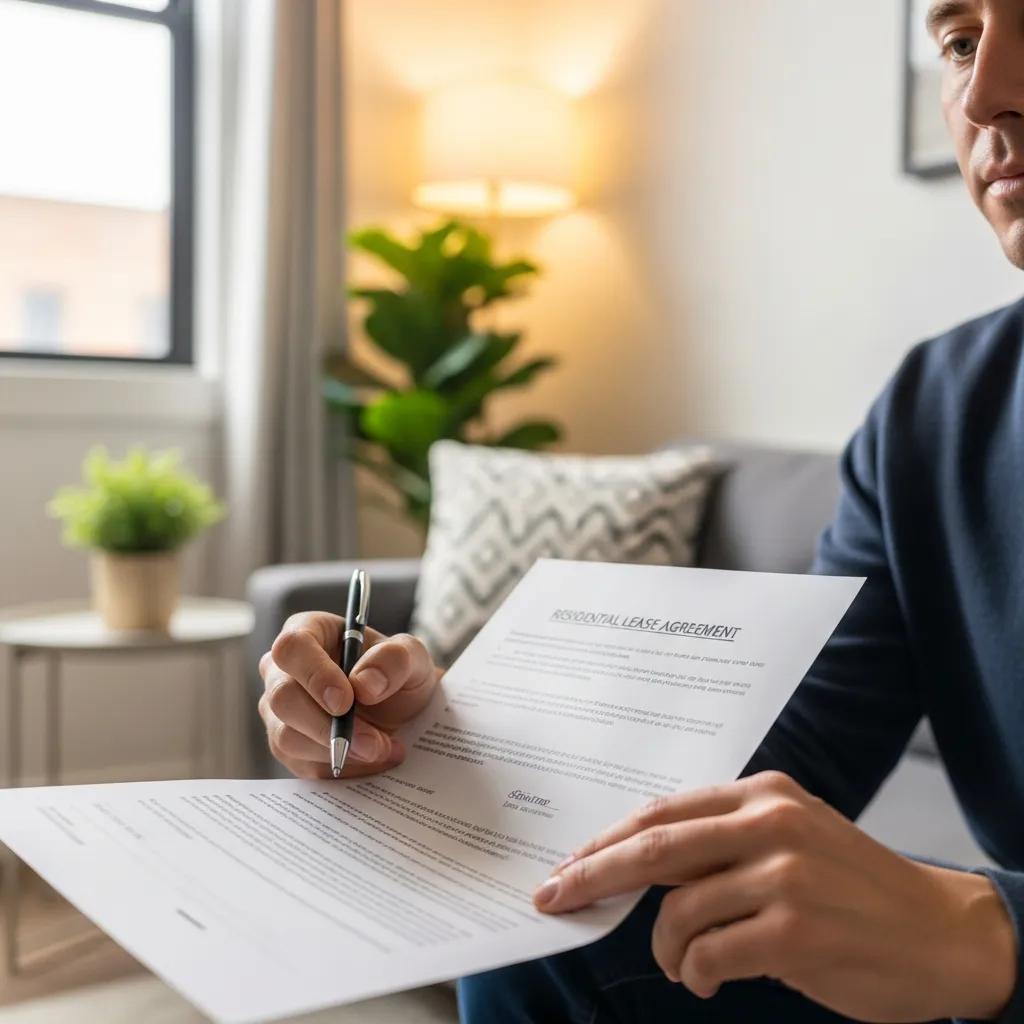
Georgia tenants retain three core protections: a habitable dwelling, a reasonable right to privacy, and protection from unlawful discrimination. Habitability covers essential systems and structural safety; privacy requires reasonable notice before entry; and anti‑discrimination rules bar housing decisions based on protected characteristics.
These rights form the foundation of a fair rental framework that both tenants and landlords should understand.
Gold Sky Properties, a property management firm in Savannah, GA, integrates these protections into its operations to help clients comply with current regulations.
How Have Tenant Protections Changed Under the New Georgia Laws?
Recent statutory changes emphasize transparency and stronger eviction safeguards. Landlords must now disclose more lease terms, eviction procedures are clearer, and tenants have improved processes to contest wrongful removals.
What Are Savannah-Specific Tenant Rights to Know?
Savannah ordinances can add local protections, such as enhanced maintenance standards, reinforced notice requirements, and safeguards against landlord retaliation for tenants who report violations.
- Right to a Habitable Living Space : Savannah tenants are entitled to safe, livable conditions consistent with state law.
- Right to Privacy : Local rules reinforce prior-notice expectations before landlord entry.
- Protection from Retaliation : Tenants are protected from retaliatory actions for exercising their rights, including reporting code violations.
Knowing local provisions helps tenants assert rights and helps landlords meet both municipal and state obligations.
What Are Landlord Responsibilities Under the Updated Georgia Laws?

Updated statutes require landlords to maintain habitability, use clear and compliant lease language, and follow state statutes and local ordinances. These duties reduce disputes and support fair housing practices.
- Compliance with State Statutes : Adhere to state laws on maintenance and tenant rights.
- Drafting Lease Agreements : Use clear, comprehensive leases that reflect current requirements.
- Regular Maintenance Responsibilities : Prompt repairs and safety maintenance are required.
Meeting these obligations helps preserve tenant safety and reduces legal risk.
Which Legal Obligations Must Savannah Landlords Fulfill?
Savannah landlords must follow state law and any applicable local ordinances covering maintenance, habitability, and non‑discrimination.
- Adherence to Georgia State Laws : Comply with relevant state statutes for rental properties.
- Maintenance of Properties : Ensure regular maintenance and prompt repairs.
- Fair Housing Practices : Avoid discriminatory practices in tenant selection and treatment.
Compliance reduces legal exposure and supports positive landlord‑tenant relationships.
How Do New Rental Agreement Requirements Affect Landlords?
Lease documents must be more transparent: disclose fees, terms, and conditions clearly. Landlords may need to update templates and consult legal guidance to stay compliant.
- Increased Transparency : Disclose all fees and lease terms.
- Compliance Challenges : Update agreements and procedures to meet new standards.
How Has the Georgia Eviction Process Changed?
Eviction procedure updates strengthen tenant protections by clarifying steps and providing longer response timelines to ensure tenants have adequate time to prepare a defense.
- Clearer Guidelines : Procedures for eviction are more explicit.
- Extended Timelines : Tenants have more time to respond and seek representation.
These changes emphasize due process and aim for fairer outcomes in eviction cases.
What Are the Updated Eviction Timelines and Procedures?
Landlords must give defined notice periods before filing for eviction, and courts will follow specified procedures to ensure fairness. Tenants receive clearer opportunities and timeframes to respond.
- Notice Period : Minimum notice is required to allow tenants to respond or remedy issues.
- Court Procedures : Eviction hearings must follow outlined court protocols.
How Do These Changes Impact Tenants and Landlords in Savannah?
Tenants gain stronger protections and clearer processes; landlords must adapt leases and practices to avoid noncompliance. These legal shifts may influence market dynamics, including tenant demand and rental practices.
What Are the Latest Rules on Security Deposits and Rental Agreements in Georgia?
Recent guidance clarifies deposit limits and return conditions to protect tenants while allowing landlords to secure funds for maintenance.
- Maximum Deposit Amount : Deposits are limited (commonly discussed as up to one and a half months’ rent in practice).
- Refundable Deposits : Deposits must be refundable when lease terms are met.
These rules aim to balance tenant affordability and landlord protection.
What Are the New Security Deposit Regulations for Landlords and Tenants?
Regulations specify allowable deposit amounts and require written notice to tenants about conditions for return and handling of deposits.
- Regulations on Deposit Amounts : Landlords must follow the maximum deposit guidelines in law or local practice.
- Compliance Requirements : Provide written notice on deposit terms and return conditions.
How Should Rental Agreements Reflect Recent Legal Changes?
Update lease templates to include required disclosures, clear fee listings, maintenance responsibilities, and tenant rights. Regular review and legal consultation are advisable.
- Incorporating New Terms : Add required disclosures and clauses to leases.
- Best Practices for Landlords : Periodically review leases and train staff on legal updates.
These steps help ensure leases remain compliant and reduce disputes.
Frequently Asked Questions
What should tenants do if their landlord fails to make necessary repairs?
Document defects, notify the landlord in writing with a reasonable repair timeframe, and keep records. If unaddressed, tenants can file complaints with local housing authorities or seek legal remedies; consult an attorney before withholding rent.
Are there any specific protections for tenants facing eviction in Georgia?
Yes. Updated rules give tenants clearer eviction procedures and more time to respond, improving opportunities to prepare a defense and obtain representation.
How can landlords ensure compliance with the new rental agreement requirements?
Review and update lease templates to include required terms, clearly state fees and responsibilities, and consider legal review or professionally prepared templates to confirm compliance.
What steps can tenants take if they experience discrimination when renting?
Document incidents and file complaints with HUD or the Georgia Commission on Equal Opportunity. Seek legal assistance to evaluate claims under the Fair Housing Act.
What are the implications of the new security deposit regulations for tenants?
Deposits are limited by recent guidance and must be refundable when lease conditions are met; tenants should receive written notice explaining return conditions and timelines.
How can tenants and landlords stay informed about ongoing legal changes?
Subscribe to updates from local housing authorities, legal aid organizations, and real estate associations; attend workshops or seminars and consult reputable legal sources on landlord‑tenant law.
Conclusion
Understanding the latest updates to Georgia’s landlord‑tenant laws helps both landlords and tenants protect their rights and avoid disputes. The changes increase transparency, strengthen tenant protections, and clarify landlord duties. Stay informed and seek legal guidance for specific situations.

Preparing your home for a private viewing

Features that buyers have come to expect
Expert Residential Property Management in Savannah, GA
Top-Rated Property Management Company in Savannah, GA